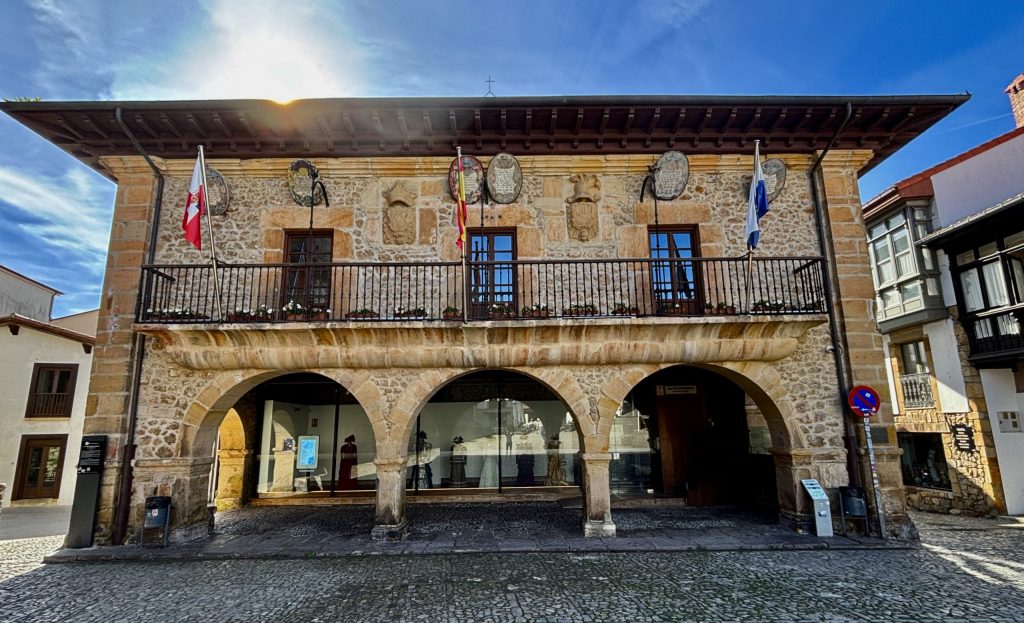
Early in the trip Ton handed me a list of places that she wanted to visit in Basque Country, and Comillas was underlined. Comillas is a small town on the coast with a beautiful beach and a quaint town center, but what made Comillas a must see for Ton was a very accessible home designed by Gaudi.
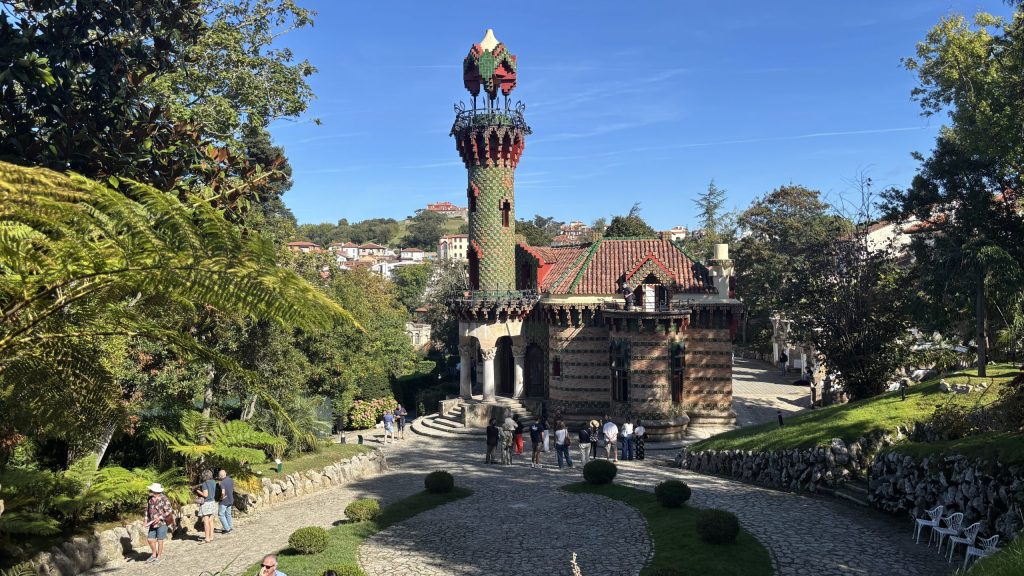
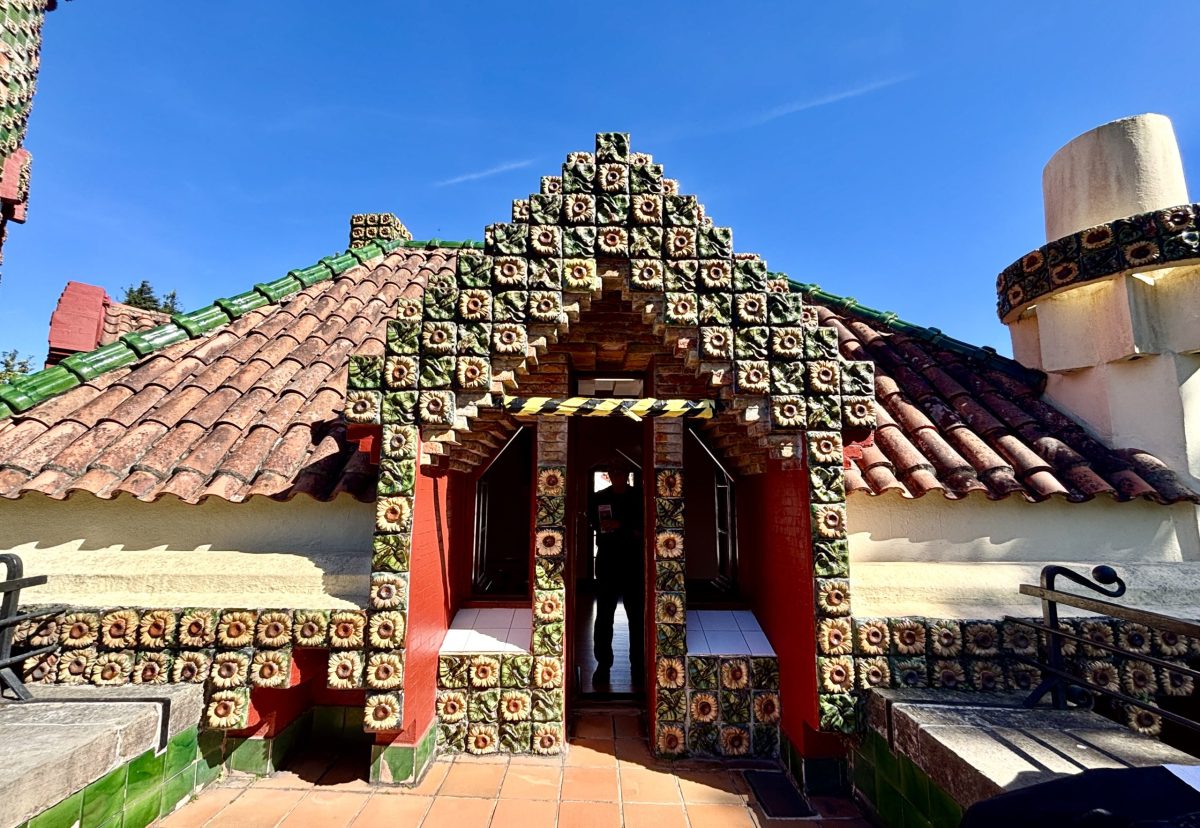
We are both fans of Gaudi and really enjoyed the Sagrada Familia when we visited Barcelona. We also walked past several of his other designs in Barcelona. The El Capricho is the first design beside the vast Sagrada that we were able to see the interior as well as the exterior.
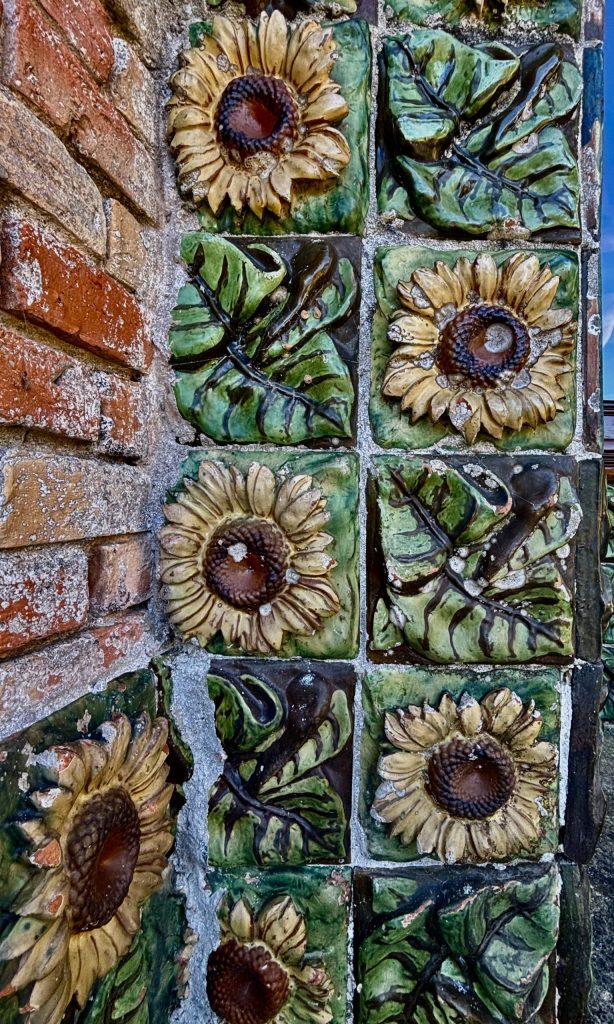
Gaudi was commissioned to build the home by Maximo Diaz de Quijano who was a prominent lawyer and amateur musician. Diaz de Quijano was impressed with Gaudi’s vision of a more natural architecture with high craftsmanship in all details of the home.
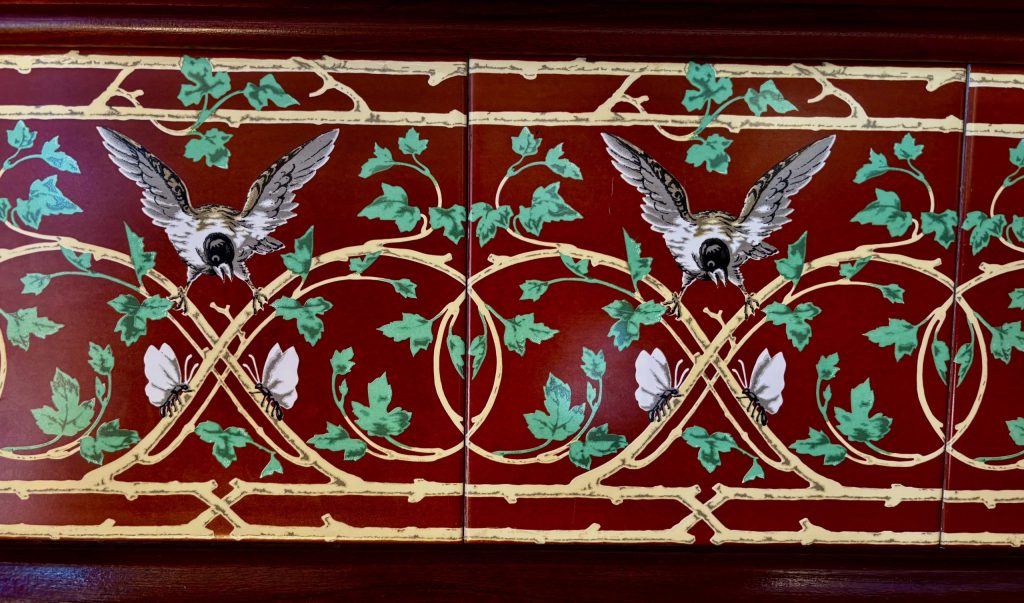
The flow of the rooms reflect Gaudi’s belief in working with nature. The bedroom faces the sunrise, and the rooms flow with the sun through the day. The office is next to the bedroom, the living room is sited to take advantage of the afternoon light, and this being Spain the dining room was sited to take in the sunset.
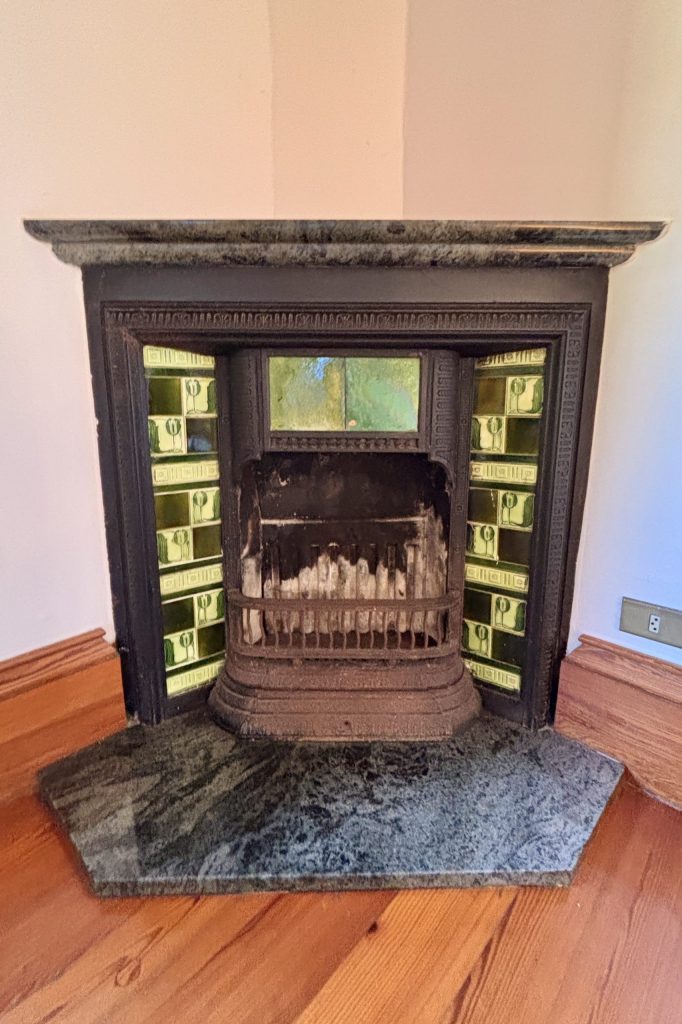
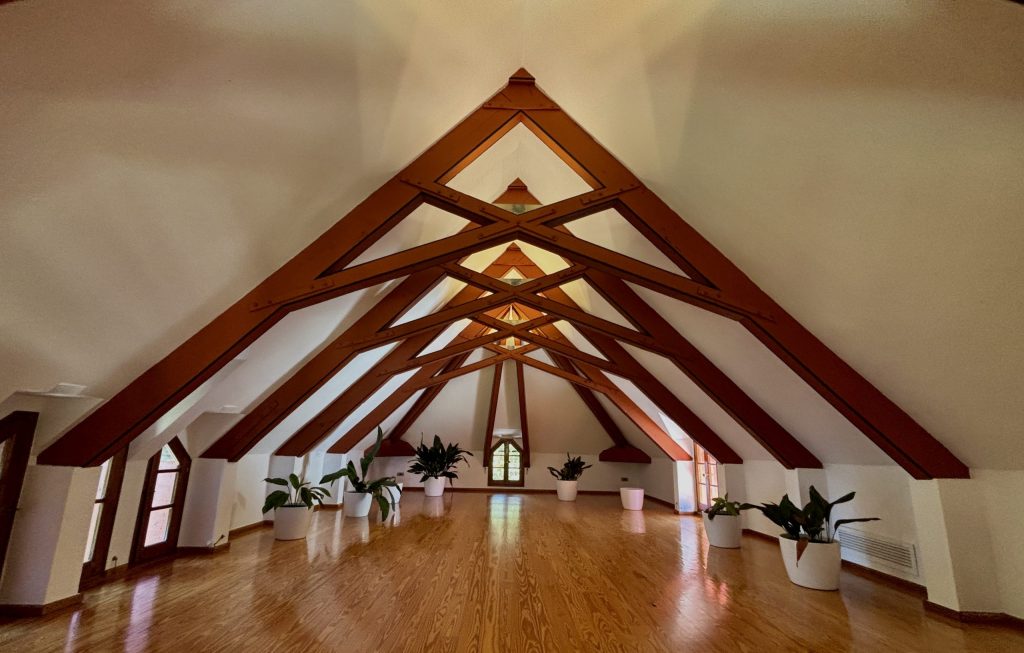
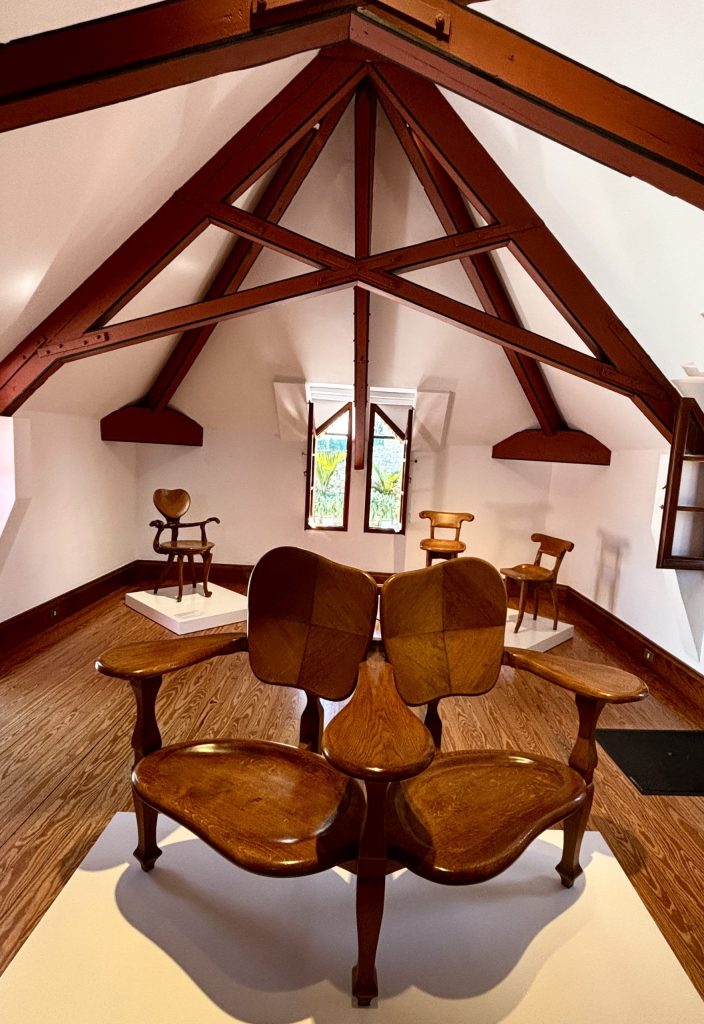
The main floor rooms are well crafted and solid reflecting the social status of Diaz de Quijano. But the for me the more interesting and beautiful rooms were those in the attic where the servants lived. They have an airy and open feeling that I appealing .
Gaudi also designed furniture and the home was full of examples of his designs for chairs. They also have flowing lines and references to nature.
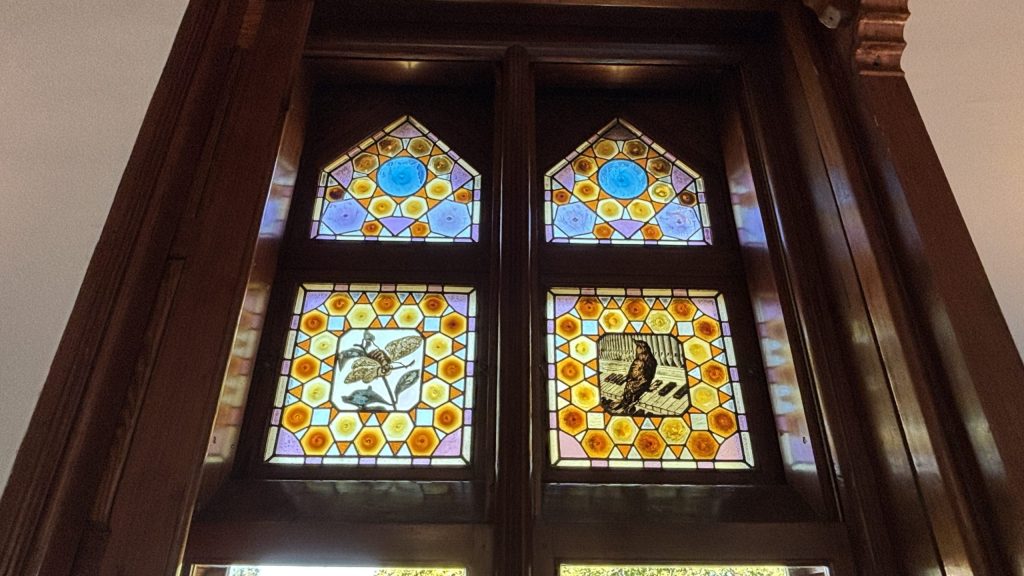
There were little touches and whimsies throughout the house. Stain glass widows depicting birds, the railing on the watch tower made of wrought iron treble clefs in reference to Diaz de Quijano’s love of music.
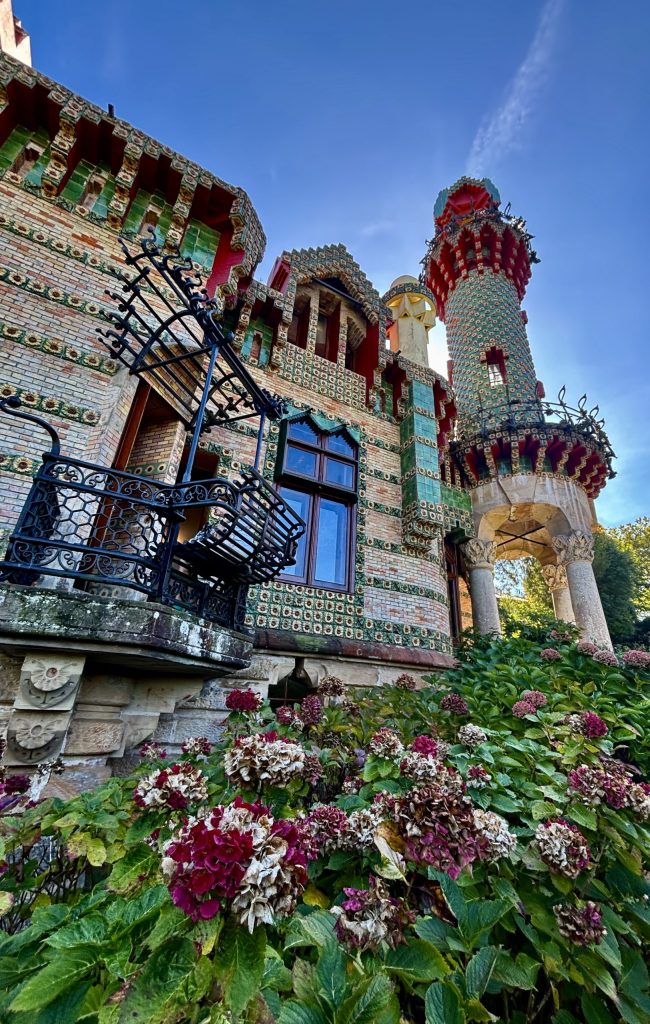
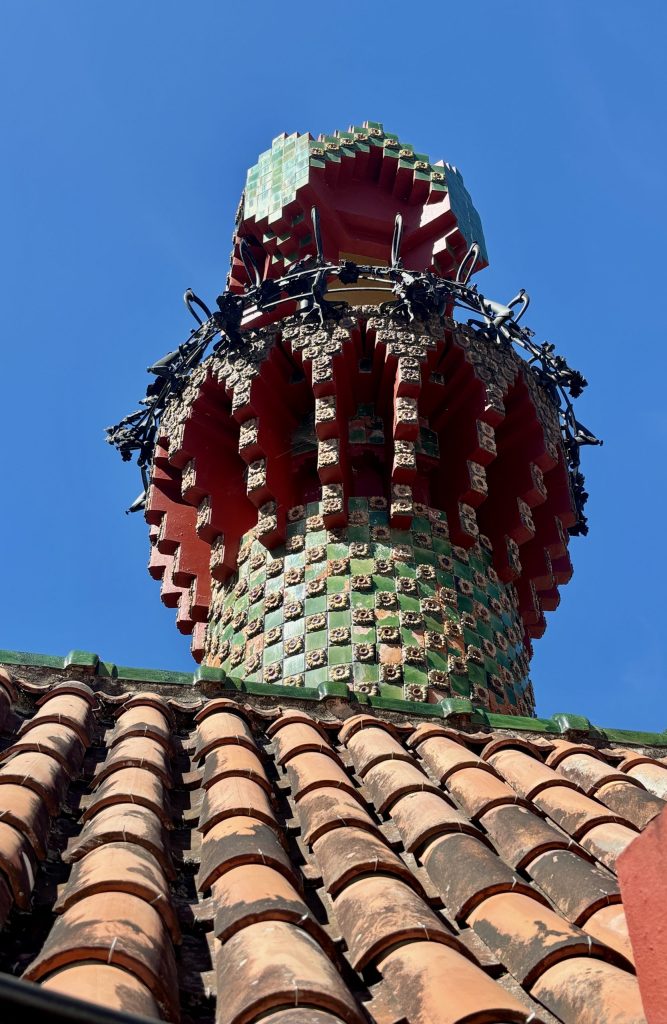
The final piece that really makes the home stand out is the watch tower that is designed to look like a Persian minaret. I don’t think there is a practical purpose to it, but it makes the home stand out from it’s neighbors.
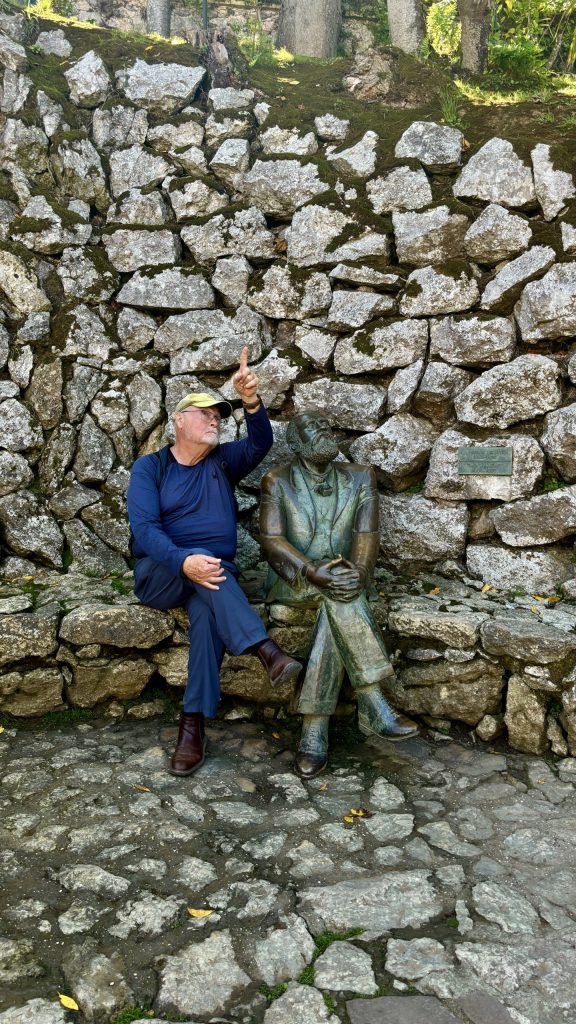
Gaudi also designed the gardens to go with the home. He included a man made grotto and a horsehoe shaped front garden. The plants in the garden were designed to blend with the colors of the home.
The building went through some ups and downs in its history. The Diaz de Quijano family sold it after about 50 years. As you can imagine the upkeep was immense on the home, and over time it became run down. By the late 1960’s it was in danger of being torn down. Fortunately an owner was found who converted it into a restaurant that kept the building afloat for about 20 years.
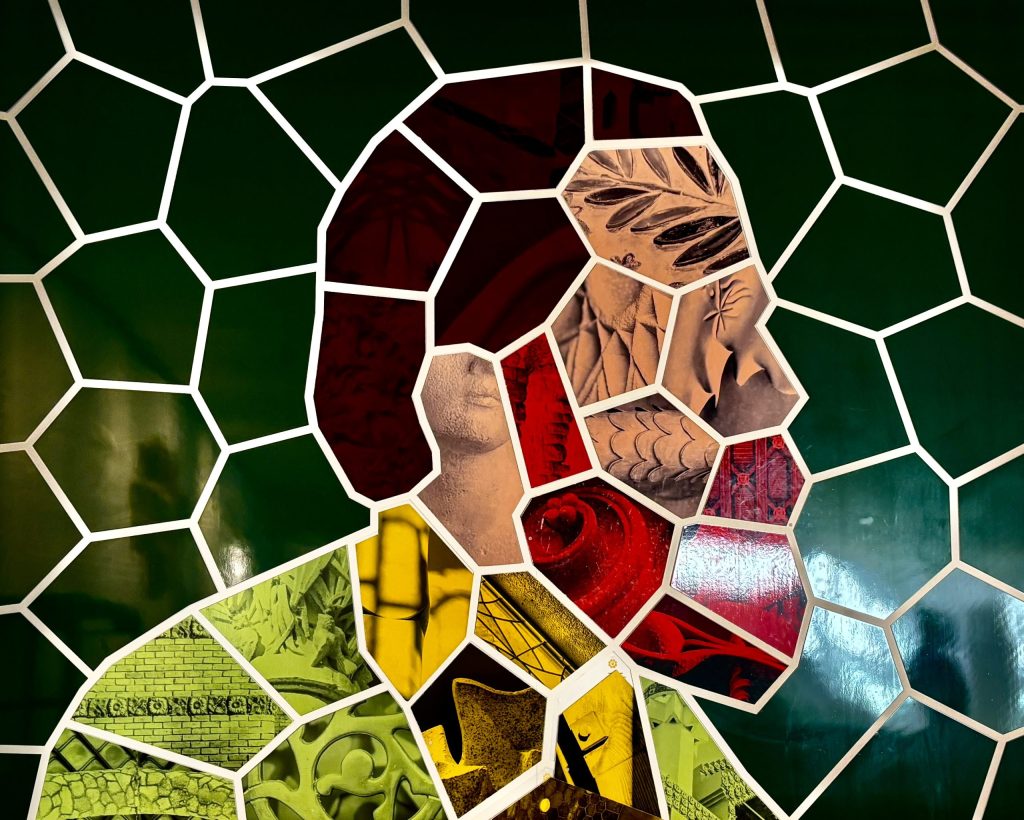
The current owners purchased it when it was a restaurant but decided that it was not an appropriate way to maintain the building. Their intent is to restore it to its original build. It was not as easy as you would think as the original design documents were destroyed. A team studied written accounts and photographs to try to understand the exact layout and today’s museum reflects that research.
To get to the museum we had a pretty good hike as we opted to save money by staying in an aire outside of town rather than the campground on the ocean. As a result we got to enjoy Comillas in its entirety.
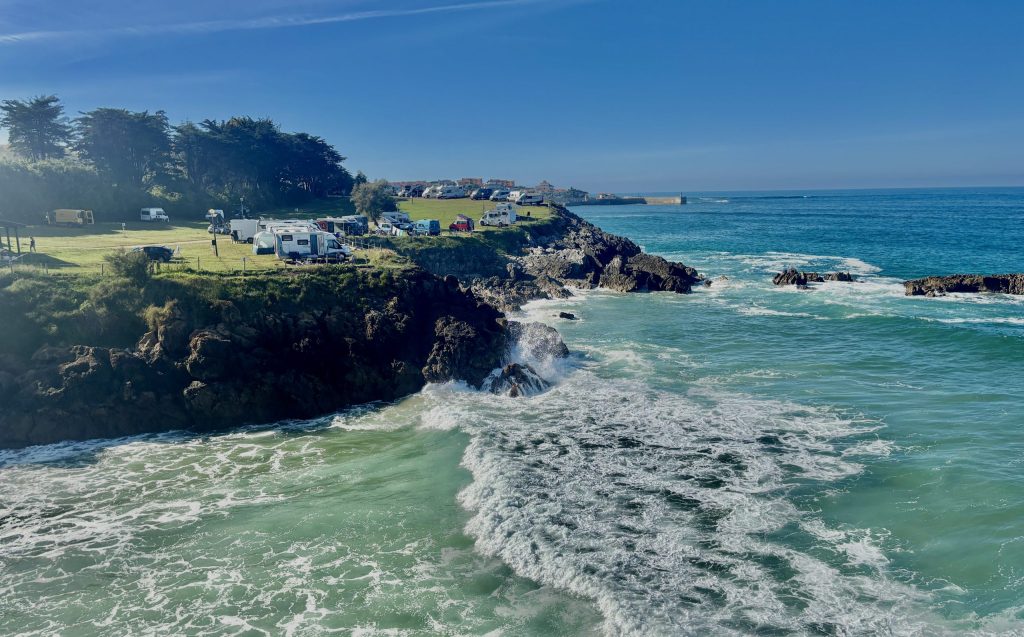
Comillas is a very nice town with a sleepy feel to it. But that may have been because we were there during the siesta. It may be quite lively at night.